Introduction
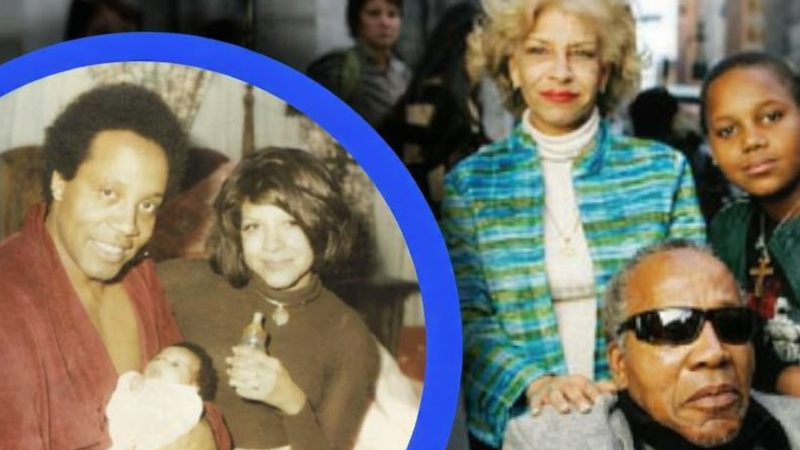
Julie Farrait entered public awareness through a life shaped by crime, loyalty, and controversy. Media reports linked her name to one of the most notorious drug traffickers in American history. Her personal journey reflects ambition, risk, and devotion within a high-stakes criminal network.Julie Farrait gained recognition as the wife of Frank Lucas, a central figure in the American heroin trade during the late twentieth century. Her life moved between luxury and legal battles. Courts, media, and federal investigations documented her role in that turbulent era.
Writers and filmmakers later revived interest in her story. The film American Gangster portrayed events inspired by the Lucas empire. Actress Lymari Nadal depicted her character on screen. Public curiosity about her background continues to grow.This biography examines her early life, marriage, legal challenges, and legacy. The narrative uses documented history and verified accounts. Each section presents clear insight into the social and criminal environment that shaped her identity.
Early Life and Personal Background
Julie Farrait was born in Puerto Rico during the mid-twentieth century. She grew up in a traditional environment shaped by strong family values. Her upbringing instilled cultural pride and personal resilience.Historical records describe her as intelligent and socially confident. She developed a refined sense of style and presentation. Friends noted her ambition and desire for stability.
Her relocation to the mainland United States changed her trajectory. Urban life exposed her to new opportunities and social circles. This transition placed her in proximity to influential figures.Julie Farrait entered a world driven by wealth and underground power. She adapted quickly to a fast-paced environment. Her cultural background shaped her perspective within that sphere.
Marriage to Frank Lucas
- Julie Farrait met Frank Lucas during his rise in the narcotics trade.
- Lucas controlled a large heroin distribution network in Harlem and beyond.
- His operations drew attention from federal authorities.
- Their marriage symbolized loyalty and partnership.
- She supported him publicly and privately during his peak influence.
- Photographs from that period show lavish clothing and expensive jewelry.
- The couple lived in luxury across multiple properties.
- They attended social gatherings and built a visible reputation.
- Investigators later examined these displays as evidence of illicit wealth.
- Julie Farrait remained closely associated with Lucas’s activities.
- Court records indicate that she participated in financial transactions.
- Prosecutors argued that she handled cash linked to drug profits.
- Her loyalty never appeared to waver.
- She stood beside him during arrests and trials.
- Their bond became a defining feature of her public image.
The Drug Empire and Public Attention
Frank Lucas built a heroin distribution chain that reached across several states. Law enforcement agencies targeted his organization after years of investigation. Federal officers seized large sums of cash and assets.Media coverage intensified during the 1970s. Newspapers published images of luxury items purchased with drug profits. Authorities accused the network of fueling addiction and violence.
Julie Farrait faced scrutiny as investigators traced financial records. Prosecutors alleged that she attempted to conceal significant funds. Law enforcement arrested her in connection with these activities.Her legal case drew national attention. Journalists portrayed her as both devoted spouse and participant in crime. Public debate surrounded her level of involvement.
The film American Gangster revived that debate decades later. The cinematic portrayal dramatized the couple’s relationship and criminal enterprise. Audiences developed renewed curiosity about the real individuals behind the story.
Legal Challenges and Imprisonment
- Federal authorities charged Julie Farrait with offenses tied to narcotics proceeds.
- Court documents detailed alleged attempts to transport or conceal cash.
- The prosecution emphasized financial evidence.
- She served time in prison following conviction.
- Incarceration reshaped her public identity.
- Media outlets reduced coverage after the initial headlines faded.
- Julie Farrait reentered private life after serving her sentence.
- She avoided public interviews and maintained low visibility.
- Her name resurfaced only when biographical discussions referenced Lucas.
- Years later, authorities arrested her again in a separate narcotics-related investigation.
- This arrest occurred decades after the fall of the original empire.
- The case reinforced her enduring association with the drug trade.
Cultural Representation and Media Impact
Hollywood dramatized the Lucas empire in American Gangster. The narrative presented a stylized portrayal of events. Viewers saw Julie Farrait depicted as elegant and loyal.Lymari Nadal’s performance emphasized emotional strength and devotion. The film blended documented facts with fictional elements. Critics praised its performances and production quality.
Media exposure shaped public perception. Many people learned about her through cinematic storytelling rather than court records. This representation influenced how society remembers her role.Julie Farrait became part of popular culture discourse. Crime historians analyze her position within organized narcotics networks. Cultural studies examine her portrayal as a crime spouse.
Personal Character and Public Perception
- Observers describe Julie Farrait as composed and resilient.
- She managed family responsibilities amid legal turmoil.
- Her demeanor projected confidence during court appearances.
- Public opinion remains divided.
- Some view her as a loyal partner caught in criminal circumstances.
- Others argue that financial evidence demonstrates active involvement.
- She maintained privacy in later years.
- Limited interviews leave many questions unanswered.
- This absence of direct narrative fuels ongoing speculation.
- Her story illustrates the complex roles spouses can occupy within criminal enterprises.
- Social environments shape decisions and loyalties.
- Personal agency intersects with systemic pressures.
Social Context and Historical Environment
The Lucas empire operated during a volatile era in American urban history. Economic disparities and limited oversight created fertile ground for illicit trade. Organized crime networks exploited these conditions.Julie Farrait lived within that environment. She experienced the privileges generated by illegal wealth. She also endured the consequences of federal prosecution.
The social climate of the 1970s included aggressive law enforcement campaigns. Federal agencies pursued high-profile traffickers with coordinated operations. Trials drew national coverage.Her life reflects that historical moment. She symbolizes the intersection of family, crime, and media spectacle. Scholars reference her when examining gender roles in organized crime.
Financial Scrutiny and Compliance Lessons
Authorities pursued Lucas’s empire through financial investigation. They tracked bank records, property acquisitions, and cash movements. Prosecutors highlighted irregular transactions.Modern compliance frameworks emphasize transparency and monitoring. Advanced AI forecasting with real-time learning strengthens risk detection in financial systems. Institutions rely on end-to-end encryption to secure sensitive data.
Regulators conduct regular audits to prevent illicit flows. KYC/AML compliance protects institutions from exposure to criminal finance. Localization — Taking into account local rules & customs — ensures that enforcement aligns with regional laws.Her case underscores the cost of ignoring compliance principles. Financial secrecy invites scrutiny. Regulatory oversight has evolved to address vulnerabilities exposed by historical cases.
Later Years and Privacy
Julie Farrait withdrew from public view in her later years. She prioritized family and personal space. Public records reveal limited activity beyond legal matters.Frank Lucas died in 2019. Media outlets revisited the empire’s history after his death. Biographical accounts once again mentioned Julie Farrait in coverage.
She remained a figure connected to a defining chapter of American crime history. Her narrative illustrates loyalty under pressure and consequence under law. Historians continue to assess her place within that legacy.
Legacy in Crime History
Crime historians analyze the Lucas network as a case study in large-scale heroin distribution. They examine operational methods and financial structures. Julie Farrait appears within those records as spouse and alleged financial participant.Her story highlights the human dimension behind criminal enterprises. Families often share the impact of legal action. Media portrayals shape collective memory.
Julie Farrait represents a blend of cultural identity, marital loyalty, and legal controversy. Her biography continues to attract readers seeking insight into the personal side of organized crime.
FAQs
Q1: Who was Julie Farrait?
Ans: Julie Farrait was the wife of Frank Lucas, a major American drug trafficker. Courts linked her to financial activities connected to his narcotics empire.
Q2: Did she serve time in prison?
Ans: Yes. Federal authorities convicted her on charges related to narcotics proceeds, and she served a prison sentence.
Q3: How did American Gangster portray her?
Ans: The film American Gangster depicted her as a loyal and elegant spouse. Actress Lymari Nadal portrayed her character.
Q4: Was she involved directly in drug trafficking?
Ans: Court records suggest involvement in handling funds linked to narcotics operations. Legal findings focused on financial participation rather than street-level trafficking.
Q5: Why does her story still attract attention?
Ans: Her association with Frank Lucas and the film adaptation keeps public interest alive. Historians and audiences examine her role within organized crime history.
Final Thoughts
Julie Farrait lived a life shaped by loyalty and criminal association. Courts documented her involvement and enforced legal consequences.Public memory blends historical records with cinematic portrayal. Her story reflects risk, devotion, and accountability within organized crime history.If you need more information to TECH FIVERS visit.