Table of Contents
- Stress Reduction
- Alleviating Anxiety and Depression
- Enhancing Emotional Regulation
- Improving Sleep Quality
- Boosting Self-Esteem and Body Image
- Supporting the Menopausal Transition
- Practical Ways to Incorporate Mindfulness
- Conclusion
Mindfulness is more than just a buzzword. It is a powerful practice of being present and fully engaged in the moment, which can profoundly enhance mental health and emotional resilience. For women balancing multiple roles and stressors, mindfulness offers unique emotional benefits that contribute to lasting well-being. At the Women’s Treatment Center in Ogden, UT, practitioners help women harness the strengths of mindfulness to navigate life’s challenges with more grace and confidence. As modern life grows more demanding, simple and accessible mindfulness techniques can foster calm, reduce anxiety, and improve quality of life. From easing stress to bolstering self-esteem and even supporting women through menopause, mindfulness is a powerful ally in women’s emotional health journeys.
Stress Reduction
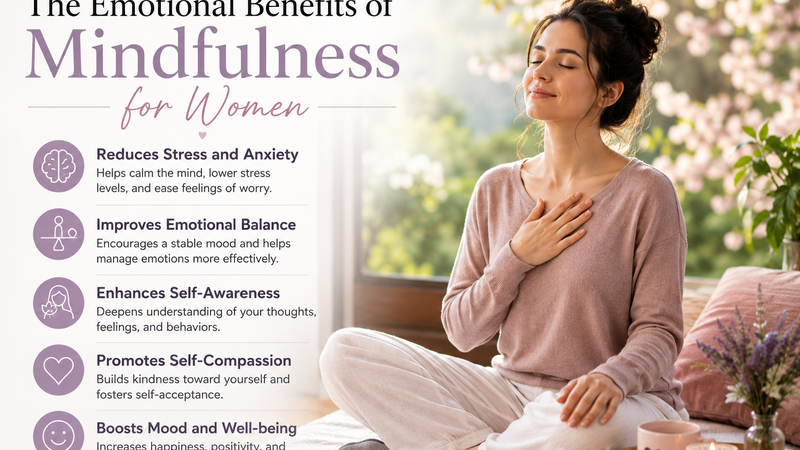
Stress is a nearly universal experience, but women emotional benefits often face unique pressures that can heighten its effects. Mindfulness practices such as breath awareness, gentle movement, or meditation have been shown to lower cortisol, the body’s primary stress hormone. Regular use of mindfulness tools can help manage both acute and chronic stress, fostering a sense of calm in day-to-day life. Many women find that stress is compounded by the expectations placed upon them by others or by themselves, including caregiving duties, workplace responsibilities, and societal norms. Mindfulness offers a practical, non-invasive method to pause and reflect before reacting, giving women the choice to respond to stress more thoughtfully. Over time, these small adjustments accumulate and can significantly lower the overall burden of stress in everyday life. Mindfulness also nurtures greater self-compassion, teaching women to treat themselves with the same kindness they’d extend to a friend experiencing stress.
Alleviating Anxiety and Depression
Anxiety and depression are common mental health concerns for women, often exacerbated by societal expectations and life transitions. Studies show that mindfulness-based therapies can reduce the intensity and frequency of symptoms associated with these conditions. By encouraging non-judgmental observation of thoughts and emotions, mindfulness helps disrupt spirals of negative thinking, restoring a greater sense of peace and self-control. Well-known health resources like Harvard Health highlight the effectiveness of mindfulness for these emotional struggles. In addition, mindfulness offers valuable tools for recognizing and disengaging from automatic negative thought patterns. Women can use mindfulness not only to observe anxious or depressive thinking, but also to guide their attention back to the present moment gently. This level of intentional awareness makes it possible to cultivate gratitude, notice everyday joys, and appreciate small victories, all of which promote the healing of emotional wounds.
Enhancing Emotional Regulation
Strong emotional regulation is essential for emotional benefits navigating the complexities of work, relationships, and caregiving roles. Mindfulness increases self-awareness, helping women recognize and process their emotions in real time rather than react impulsively. This leads to more thoughtful responses and can greatly improve interactions at home, work, and in social settings. Over time, tuning into one’s emotions with kindness fosters greater emotional stability and resilience. As emotional awareness deepens, women also gain insight into their personal triggers and habitual responses. By recognizing these patterns, mindfulness encourages healthier coping strategies during times of emotional turmoil. For instance, simply noticing a rising tide of anger or frustration can create space for a pause, a moment to breathe and choose a more measured reply. These small shifts, when repeated over time, greatly contribute to harmonious relationships and internal peace.
Improving Sleep Quality
Many women struggle with sleep disruptions, whether related to stress, caregiving duties, or hormonal fluctuations. Mindfulness practices can promote relaxation before bedtime and reduce nighttime rumination, making it easier to fall asleep and enjoy more restorative sleep. Research supports mindfulness techniques as effective interventions for those with insomnia and sleep difficulties. Consistent mindfulness practice before bed, such as body scans or mindful breathing, can train the mind to wind down naturally each night. Over time, this routine may help to shift the body’s stress response, promoting a deeper sense of safety and relaxation. Better sleep not only improves emotional regulation and cognitive function but can also enhance resilience to stress and overall mood stability.
Boosting Self-Esteem and Body Image
Society often places high expectations on women’s appearance, which can negatively affect self-esteem and body image. Mindfulness encourages compassion and acceptance towards oneself, regardless of appearance or perceived flaws. Practicing mindful self-compassion has been shown to help women appreciate their bodies more and develop a healthier sense of self-worth. Over time, this supportive mindset can replace harsh self-criticism with encouragement and respect. Another important benefit of mindfulness is cultivating a non-judgmental attitude toward one’s own experiences, including those related to physical form. Women who practice mindfulness are more likely to engage in healthful behaviors, appreciate bodily functionality, and resist the harmful effects of comparison and unrealistic media images. The resulting improvement in self-acceptance can positively affect everything from social confidence to intimacy and personal satisfaction.
Supporting the Menopausal Transition
Menopause can bring about significant emotional and physical changes, including mood swings, anxiety, and heightened stress. Mindfulness offers natural support during this transition, equipping women with skills to remain present and grounded despite unpredictable changes. Recent research demonstrates that mindfulness can ease symptoms linked to menopause, helping women adapt with greater ease and confidence. Through mindful awareness, women experiencing menopause can distinguish between the physical symptoms and emotional interpretations that often exacerbate discomfort. Developing this skill can reduce feelings of overwhelm and foster acceptance of change, empowering women to address symptoms proactively and with greater confidence. Over time, mindful coping strategies can help restore a sense of agency and emotional equilibrium during this life stage.
Practical Ways to Incorporate Mindfulness
- Start Small: Even just a few minutes of mindfulness meditation daily can deliver benefits. Consistency is more important than length at the start.
- Use Guided Meditations: Apps and online resources offer a range of guided mindfulness sessions to fit every schedule and need.
- Integrate Mindfulness into Daily Activities: Everyday tasks such as eating, walking, or even washing dishes can become mindful rituals by paying full attention to the present moment.
- Join a Group: Practicing mindfulness with others in a group or class can provide motivation, structure, and shared encouragement.
- Create a Mindful Environment: Designate a quiet space at home for moments of reflection or meditation, free from digital distractions.
- Set Gentle Reminders: Use cues, such as a sound, alarm, or note, to pause and check in with yourself throughout the day, fostering ongoing mindfulness.
Fame Person Resources — what to expect The Ideal World Pulse Post Support Center explore further quick overview Techflaxor Cheat Sheet for Beginners details page Upgradesdecoradhouse Overview — what to expect Brightphere How-To Guide Fameprofile Join Notedprofile Contact Page Info on Globallifemag Businessbeaconnews Techvanture Read more at worldshinemag.com Worldverses Dashboard for Startups Tech Fame Pro Report An Expert Lucywell Partner Program Tophomeinsight Templates for Teams handy tool Worldpeakmag open the page Voozons Stories from Droven Pexascope Breakdown — what to expect Techfivers Library beginner guide Trusted by Daily Spark Magazine Worldcelebritymag Preview Techfunpro Strategy Guide Businessdailyvibe Playbook for Teams Reference Worldusmagazine Benefits A Handy Outclassmagazine Alternatives industry resource Reference Urbanfloracivic Profile Thefamefacts Thevibepost Guide — what to expect An overview of Outclassinsight Guide handy guide Dailyvibesnow Awards for Enterprises The New Homecraftwise Privacy Center Understanding the Homlywise Breakdown Learn about Mintpaldecors Bookmark Homeydecors Articles
It’s important to remember that mindfulness is a emotional benefits skill developed with patience and practice. There’s no “perfect” way to be mindful; the intention and effort are what bring lasting transformation. Keeping a journal, for example, can help track progress and provide encouragement by noting small wins and positive shifts in perspective.
Conclusion
Mindfulness offers remarkable emotional benefits for women across all phases of life. From relieving stress and enhancing mood to supporting significant transitions like menopause, these practices foster healthier emotional responses, improved self-image, and deeper resilience. By weaving simple mindfulness exercises into daily routines, women can cultivate lasting emotional well-being and approach life’s challenges with renewed strength.
Whether facing everyday stressors or navigating major life changes, women benefit from tools that support inner calm and clarity. Embracing mindfulness as a daily practice not only improves emotional health but also strengthens connection to self and others. As more women discover and share these practices, the ripple effects can lead to healthier families, workplaces, and communities for generations to come.if you need more detail to TECH FIVERS visit.