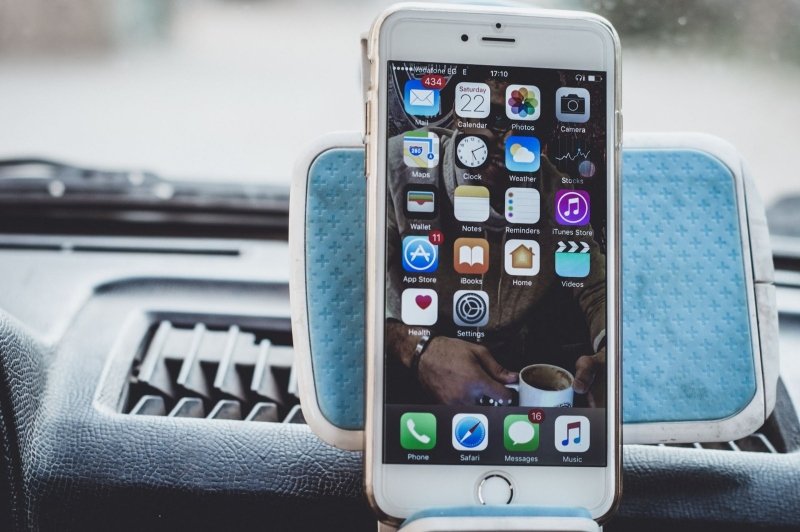
Think about how many times a phone is used during a normal day. The alarm goes off on it. Messages are checked. Maybe a bank payment is made before breakfast. Then there is email, Google Maps, shopping, social media, work calls, music, a fitness app and probably a few things that were never planned. At this point, calling it a “mobile phone” feels a little outdated. It resembles a small handheld computer that just so happens to fit in a pocket. Many ordinary and everyday things have been moved to that little screen, and the majority of this has occurred without people being aware of it.
Staying in Touch Is Easier
A person can be sitting in Dubai and have a video call with someone in London without giving it a second thought. Messages are instant. Photos are instant. Voice notes are instant. Even work meetings can happen from a phone now. That has made distance feel much less important.
Family members living in different cities can stay in touch through group chats. Friends send each other random pictures during the day. Businesses use messaging apps to talk to customers. Remote teams can keep working even when nobody is sitting in the same office.
There is a downside to this, though. A phone can make everyone feel permanently available. A work message at 9pm is still sitting there. So is the email. And the notification from another app. Technology has made communication easier, but it has also made ignoring communication harder.
Banking Has Become a Phone Activity
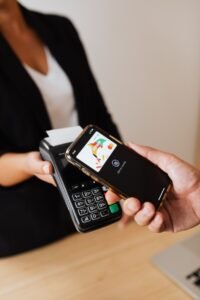
Going to a bank just to check an account balance sounds unnecessary now. Open the banking app. Check the balance. Transfer the money. Done. The same applies to bills and many everyday payments. Digital wallets have made things even quicker, especially for small purchases where carrying cash or a card can feel like extra work.
Fame Person Resources — what to expect The Ideal World Pulse Post Support Center explore further quick overview Techflaxor Cheat Sheet for Beginners details page Upgradesdecoradhouse Overview — what to expect Brightphere How-To Guide Fameprofile Join Notedprofile Contact Page Info on Globallifemag Businessbeaconnews Techvanture Read more at worldshinemag.com Worldverses Dashboard for Startups Tech Fame Pro Report An Expert Lucywell Partner Program Tophomeinsight Templates for Teams handy tool Worldpeakmag open the page Voozons Stories from Droven Pexascope Breakdown — what to expect Techfivers Library beginner guide Trusted by Daily Spark Magazine Worldcelebritymag Preview Techfunpro Strategy Guide Businessdailyvibe Playbook for Teams Reference Worldusmagazine Benefits A Handy Outclassmagazine Alternatives industry resource Reference Urbanfloracivic Profile Thefamefacts Thevibepost Guide — what to expect An overview of Outclassinsight Guide handy guide Dailyvibesnow Awards for Enterprises The New Homecraftwise Privacy Center Understanding the Homlywise Breakdown Learn about Mintpaldecors Bookmark Homeydecors Articles
This isn’t just happening in a few highly developed markets either. The World Bank’s 2025 Global Findex includes information on mobile ownership, internet use and digital financial services across 141 economies.
Shopping has followed the same route. There is no need to wait until the weekend to buy something. Groceries can be ordered during a lunch break. Household items can arrive the next day. A phone can even compare prices before making a purchase. And digital payments aren’t only being used for shopping. People can also donate sadaqah online, which makes charitable giving possible without needing to visit a physical location. It is just another example of something that has become easier because payments can now happen digitally.
Phones Are Getting Involved in Health Too
A phone can tell someone how many steps were taken today. A smartwatch can show heart rate. Fitness apps can record workouts. Some devices track sleep. There are reminders for medication, appointments and other health-related tasks. For someone trying to become more active, that can actually be useful. Seeing that only 1,500 steps have been taken by the evening might be enough motivation to go for a walk. Or not. But at least the information is there.
Telehealth has added another layer to this. Depending on the circumstances, a patient could be able to communicate with a physician via video consultation rather of visiting a clinic. The World Health Organization has also emphasised mobile health as a beneficial component of digital healthcare, including service access, monitoring, and health education. There is still a limit, of course. A smartwatch is not a doctor. If a device gives an unusual reading, it can be a reason to pay attention. It should not automatically become a diagnosis.
Getting Somewhere Is Much Easier
Remember carrying a printed map? Probably not. Open a maps app and the route is already there. Traffic can be checked before leaving. A ride can be booked from the same phone. If the wrong turn is taken, the route simply changes. Travelling has become easier for the same reason. Boarding passes can be stored on the phone. Hotel details can be found in an email. Translation apps can help with unfamiliar languages. Currency conversion takes a few seconds. Even something as basic as finding a nearby pharmacy or restaurant no longer requires asking around. The phone just finds it.
Then There Is the Home
Smart home technology has taken some of these ideas indoors. Lights and fans can be controlled through some app. Security cameras can be checked remotely. Some locks, thermostats and other devices can also be managed from a phone. Not every smart-home product is necessary. Some probably create more work than they save. But the simple ones can be useful.
Then there are the boring apps that people probably rely on more than they realise. Calendar reminders. Notes. Shopping lists. Task apps. A phone can keep track of an appointment and remind someone about it before they forget. It can store a list while shopping instead of relying on memory. The useful part of technology is often the stuff that quietly removes small annoyances from the day.
Having Everything on One Phone Has a Catch
There is one problem with making a phone responsible for so much of daily life. It contains a lot of personal information. Banking details. Photos. Messages. Work files. Location history. Contacts. Sometimes health information too. Losing the device is inconvenient. Having somebody access everything on it is a much bigger problem.
Basic security matters more than ever. Keep the operating system updated. Use a proper screen lock. Turn on multi-factor authentication for important accounts. Check app permissions once in a while. That last one is easy to ignore. An app does not necessarily need access to contacts, location or a microphone just because it asks for it.
The Real Change Is Convenience
Mobile technology has not necessarily made every part of life better. It has, however, made a lot of things quicker. Money can be transferred while sitting at home. A route can be checked before leaving. A workout can be followed from a phone. Groceries can be ordered without going to the store. A charity contribution can be made online. Most of these things are small. But there are a lot of them. That is probably why mobile technology has become so difficult to separate from everyday life. People are not using smartphones because they want to use technology all day. They are using them because the phone is often the quickest way to get something done. And that is likely to continue.
The devices will change. Apps will change. New services will appear. The basic expectation probably will not. If something can be made easier, faster and accessible from a phone, people will expect it to work that way.