Key Takeaways
- Rapid response is critical to reducing damage and improving emergency outcomes.
- Integrated surveillance and communication systems enable faster, more coordinated action.
- AI-powered analytics improve detection speed and reduce false alarms.
- Cloud-based systems enhance accessibility and scalability for real-time monitoring.
- Successful implementation depends on balancing security, cost, privacy, and training.
- Emerging technologies are driving faster, more proactive safety responses.
The Critical Role of Rapid Response
In an environment where every second counts, rapid response is crucial for minimizing the impact of emergencies. Whether dealing with a security breach or a medical emergency, organizations must address incidents without delay. Failing to act quickly increases the risks and costs associated with an event. For businesses that demand efficient protection, integrated solutions such as video analytics surveillance help ensure no time is lost during the critical first moments of an incident. To learn more about how advanced surveillance plays a role in this, consider how prompt action can save lives and reduce property loss.
Modern surveillance systems are not limited to passive watching. They actively support decision-makers by providing actionable intelligence in real time. This proactive approach ensures the right people get the right information exactly when it is needed, reducing the lag between detection and action.
Integrating Communication and Surveillance Systems
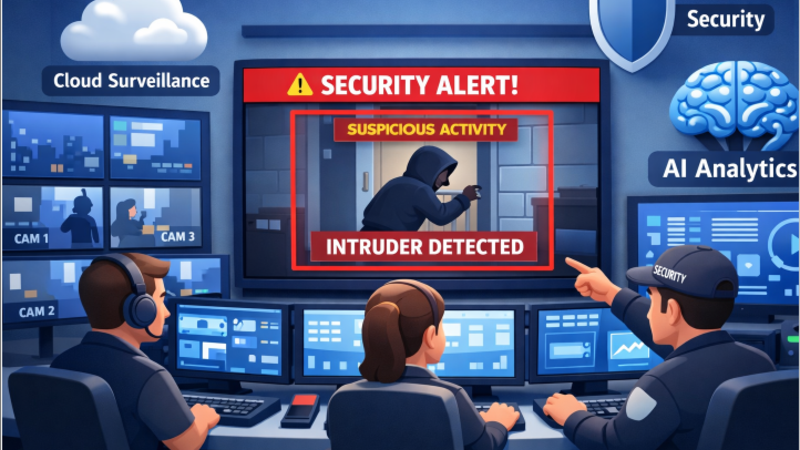
Unified communication and surveillance platforms deliver a seamless, intelligent response to incidents. Imagine a scenario in which security cameras flag unusual behavior at an entry point and instantly trigger alerts to both on-site teams and remote monitoring personnel. The integration of these systems enables coordinated action before escalating events can spread. By employing solutions that combine video feeds with communication tools, organizations greatly improve their situational awareness and response coordination.
This synthesis of communication and surveillance is essential on large campuses, in urban environments, and even in small businesses. The ability to receive instant, context-rich alerts rather than generic notifications allows personnel to address the underlying issue, not just its symptoms.
A multi-layered security infrastructure that combines video analytics, intercoms, and digital dispatch platforms enhances safety by keeping everyone connected. Organizations that implement these smart integrations discover that their teams can deploy resources more efficiently and act quickly, increasing the likelihood of favorable outcomes.
Advancements in AI-Powered Video Analytics
Artificial Intelligence represents a turning point in video surveillance. AI-powered video analytics parse live feeds to detect threats that human operators might miss, such as loitering, unauthorized entry, and suspicious conduct in restricted areas. These systems analyze contexts, patterns, and anomalies within seconds, issuing automated alerts to responsible staff. Instead of relying entirely on costly manual supervision, organizations benefit from a technology-driven approach that provides immediate escalation paths for incident response.
Businesses using these tools find that real-time detection not only quickens response times but also reduces false alarms, saving money and freeing staff to focus on higher-level tasks. Additionally, these systems continually learn and adapt, improving their accuracy over time. Applying AI to surveillance is particularly useful in environments that require 24/7 vigilance, such as transportation hubs, critical infrastructure sites, and corporate campuses.
Cloud-Based Surveillance for Enhanced Accessibility
Cloud-managed surveillance now enables remote, continuous access to live and recorded video feeds. Security teams can assess situations, send out alerts, and coordinate personnel from any location with an internet connection. This accessibility eliminates the limitations of traditional on-premises systems, ensuring faster reaction and decisive intervention during critical moments. Real-time cloud notifications keep all relevant parties in the loop, further speeding up responses and optimizing resource allocation.
Another core benefit is scalability. As organizations expand or shift operations, cloud-based surveillance can easily adapt to cover more areas without significant infrastructure upgrades. Moreover, centralized video storage and analytics support compliance needs and disaster recovery protocols, further protecting both people and assets.
Overcoming Challenges in Implementation
The deployment of advanced surveillance faces obstacles, notably in privacy, cost, and staff adaptation. Organizations must balance robust security with adherence to data protection regulations, requiring clear policies and transparent practices. Budget management is another concern, as upfront costs and ongoing maintenance can be significant. Successful implementation also depends on comprehensive staff training to unlock the technology’s full benefits. Investing in user-friendly interfaces and ongoing education is critical for achieving both safety and compliance while fostering a culture in which surveillance supports, not replaces, human judgment.
Future Trends in Surveillance Technology
Future advancements in surveillance technology promise to make responses even faster and more effective. Improvements in AI, machine learning, and Internet of Things (IoT) connectivity will enable detection systems to integrate seamlessly with broader safety infrastructures. Predictive analytics may soon allow organizations to anticipate incidents before they occur, rather than merely reacting. As new regulations emerge and public awareness increases, developments in data ethics and privacy-preserving AI will also play an essential role in shaping technology adoption. Staying informed about these trends is vital for any organization striving for operational excellence and resilience.
Final Thoughts
Intelligent surveillance technology is redefining how we respond to emergencies across industries. By embracing solutions that weave together AI, cloud computing, and unified communication, organizations can deliver faster, smarter, and safer outcomes for employees, customers, and communities. Forward-thinking companies will continue to lead the way, adopting these advancements to ensure preparedness in an unpredictable world.if you need more detail to TECH FIVERS visit.