Table of Contents
- What Is Tai Chi?
- Physical Health Benefits
- Mental Health Benefits
- Tai Chi and Cognitive Function
- Tai Chi for Stress Reduction
- Getting Started with Tai Chi
- Conclusion
Tai chi, an ancient Chinese martial art, has transformed into a celebrated form of mindful exercise. It is now commonly practiced around the world for its gentle movements and profound physical and mental benefits. Through its slow, flowing postures, tai chi harmonizes the mind and body, fostering a unique sense of balanced well-being. With so many people seeking low-impact ways to improve health, many are discovering how easy it is to practice tai chi online for balance and mindfulness, helping them incorporate this holistic art into their daily routines.
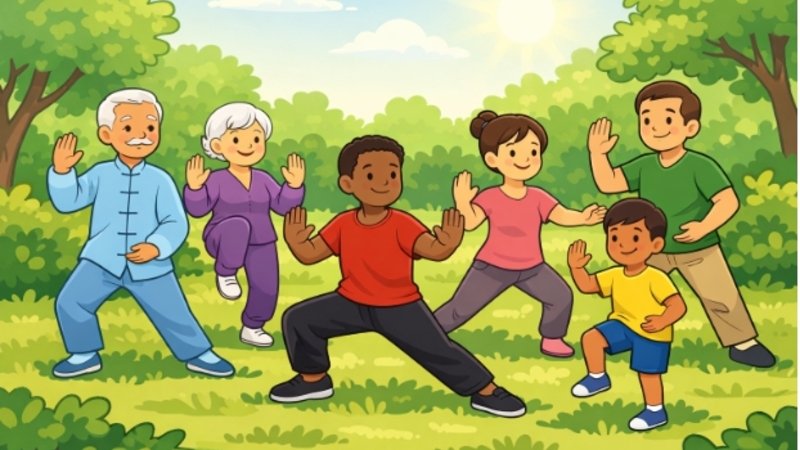
Characterized by its steady pace and controlled breathing, tai chi is often called “meditation in motion.” Practitioners of all ages find it accessible, making it an appealing option for those who wish to maintain or improve health without intense physical strain. The benefits span all ages, helping individuals achieve improved strength, reduced stress, and a clearer mind.
This meditative exercise is not just about gentle movement; it also encourages focused intention, combining physical and psychological self-care in a unique, time-honored way. Recent scientific research continues to support its role in reducing disease risk, enhancing cognitive health, and improving general well-being. Whether you are new to tai chi or seeking to deepen your understanding, exploring its benefits and learning how to get started can lead to long-lasting, positive changes.
What Is Tai Chi?
Tai chi is a traditional martial art originally developed for self-defense that has evolved primarily into a gentle, low-impact exercise. Rooted in ancient Chinese philosophy, its slow, deliberate movements are synchronized with deep breathing, fostering a meditative state as the body gently moves. It is sometimes referred to as moving meditation, thanks to the focused attention and relaxed awareness required throughout practice. According to Harvard Health, tai chi uniquely integrates mindfulness with movement, appealing to a diverse spectrum of practitioners.
Physical Health Benefits
Regularly practicing tai chi offers a wide array of physical health benefits:
- Improved Balance and Flexibility: Tai chi movements gradually work the muscles and joints, making them especially effective for enhancing balance and flexibility in older adults. This improvement helps reduce the risk of falls and supports more agile movement as we age.
- Cardiovascular Health: Research indicates that tai chi may be more effective than traditional aerobic exercise at reducing blood pressure. Studies have shown notable improvements in cardiovascular health among those practicing consistently.
- Enhanced Immune System: Regular tai chi practice is associated with stronger immune responses, helping lower the risk of illness and boosting general resilience.
Mental Health Benefits
Tai chi also delivers a range of mental and emotional advantages, contributing to holistic wellness:
- Reduced Anxiety and Depression: The slow breathing and controlled movements of tai chi can promote a sense of calm and mindfulness. Practitioners often report feeling less anxious and more optimistic, making it beneficial for those coping with anxiety or depression.
- Improved Sleep Quality: Incorporating tai chi into daily routines has been linked to improved sleep, especially among older adults and those experiencing menopausal symptoms. Practicing regularly fosters overall relaxation and eases insomnia.
Tai Chi and Cognitive Function
One of the more exciting findings in recent years is tai chi’s impact on brain health and cognitive function. Several studies indicate that regular practice may lead to better memory retention and sharper cognitive abilities. Tai chi appears particularly beneficial for older adults at risk of cognitive decline, with evidence suggesting it may help delay the onset of age-related memory decline.
Tai Chi for Stress Reduction
chi is recognized for its role in stress management. As a mindful, meditative activity, it encourages the practitioner to focus on the present moment while moving calmly and continuously. This relaxation response helps activate the parasympathetic nervous system, resulting in reduced stress and a sense of tranquility in everyday life. Studies have demonstrated its effectiveness in reducing cortisol levels, supporting both mind and body in managing daily challenges.
Getting Started with Tai Chi
- Find a Qualified Instructor: Learning tai chi from mental health a certified instructor is the best way to ensure safety and correct technique, especially when first starting out. Qualified teachers can offer in-person or online guidance for beginners and more advanced students.
- Practice Regularly: Consistency is important for experiencing all of tai chi’s benefits. Aim to practice several times each week, either independently or within a group setting.
- Create a Suitable Environment: Choose a peaceful, distraction-free space to maximize calming effects and maintain focus during practice.
Conclusion
Tai chi stands out as a gentle yet comprehensive way to nurture both physical and mental health. Its accessible movements and meditative qualities make it an ideal practice for all ages and lifestyles. By making tai chi part of your routine, you can enjoy lasting benefits such as improved balance, cardiovascular health, stress reduction, and cognitive vitality, paving the way for lifelong wellness and inner harmony.if you need more detail to TECH FIVERS visit.